
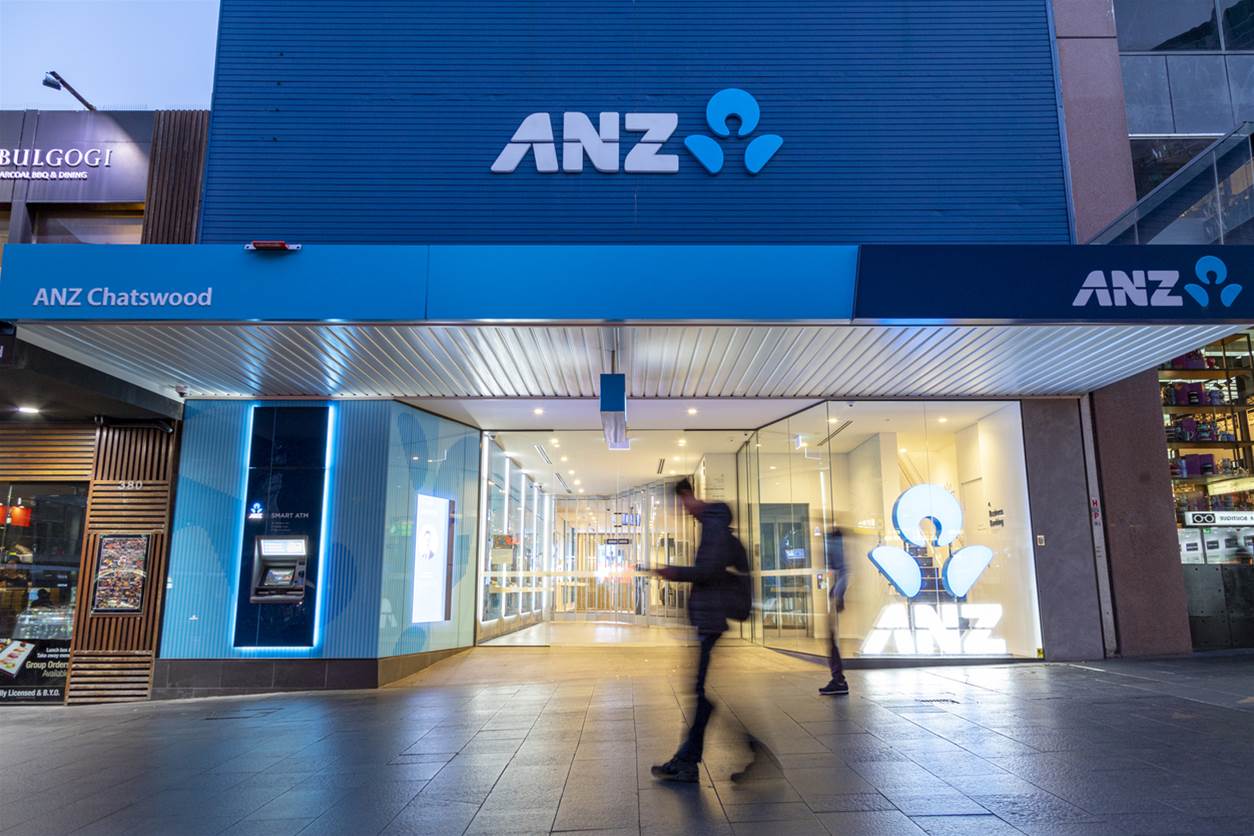
ANZ Bank in 2026: Profits Up, Strategy Shift, and What It Means for Borrowers
ANZ Bank started 2026 with a strong financial result but also significant internal changes and strategic shifts that have a...
How a Self-Employed Business Owner Got Approved Using One Year of Financials
Find out how we helped a self-employed borrower secure a competitive home loan, even though their income did not fit a standard payslip assessment.
Client details changed for privacy. Outcome based on lender policy at settlement.
Client names and identifying details have been changed to protect privacy and confidentiality. The following case study shows how the right mortgage guidance can help a self-employed borrower get approved.
Lending policies and eligibility criteria can change over time. The outcome described here was based on the lender policies available at the time of settlement and may not reflect current conditions.
David had run his own building and renovation company for several years, and the business was doing well. After a long period of reinvesting profits back into the business, he and his family were finally ready to buy a larger home to live in.
The problem was not his income, it was how that income looked on paper. Like many self-employed borrowers, David claimed legitimate business expenses and depreciation to manage his tax position, which reduced his taxable income. On top of that, his earnings varied from one financial year to the next.
When David first approached his existing bank, the application was declined. The bank assessed him on his lower taxable income and did not account for the one-off expenses and add-backs that reflected his real earning capacity. He was left wondering whether home ownership at this level was even possible while self-employed.
After reviewing David’s situation, our broker took the time to understand both his business and his personal finances. It was clear that his actual cash flow was much stronger than his tax returns suggested at first glance.
We identified lenders that take a more flexible view of self-employed income. Rather than relying only on the lowest taxable figure, these lenders allow income add-backs such as depreciation, additional superannuation contributions, one-off expenses and interest on business debt that is being repaid. We also focused on his most recent financial year, which showed his strongest result.
By presenting a complete and accurate picture of David’s earnings, supported by his financial statements and an accountant’s declaration, we were able to demonstrate genuine servicing capacity to the right lender.
We worked closely with David and his accountant to gather two years of business financials, recent Business Activity Statements and personal tax returns, then structured the application to highlight his true position.
Because self-employed applications often raise extra questions, we prepared clear explanations for the income add-backs and the variation between financial years before the lender even asked. This helped the assessment move forward smoothly, without unnecessary delays.
With the documentation in order and the income clearly evidenced, the lender issued formal approval at a competitive rate normally reserved for salaried borrowers.
Being self-employed does not mean you have to accept higher rates or a knock back. Many lenders simply do not understand self-employed income. With the right lender and a properly structured application, you may be able to borrow more than you expect, often at standard interest rates. Our team can review your financials and show you what is possible.
David secured a $720,000 loan at 80% LVR to purchase his family’s new home, at a sharp interest rate of 6.04% p.a.
Instead of being penalised for being his own boss, he was assessed fairly on what his business actually earned. He also avoided the higher rates that are sometimes attached to low-doc lending, because we were able to support a full-doc application with the right lender.
Today, David and his family are settled in their new home, and his business continues to grow.
Yes. Many lenders offer home loans to self-employed borrowers. The main difference is how your income is assessed. Instead of payslips, lenders look at your business financials, tax returns and Business Activity Statements. With the right lender and preparation, self-employed borrowers can access the same loans and rates as everyone else.
Most lenders prefer at least two years of self-employment with financials to match. However, some lenders will consider just one year of figures, and a smaller number accept even less in the right circumstances. The best approach is to check which lenders suit your trading history.
Add-backs are expenses that reduce your taxable income on paper but do not reflect your true cash flow. Common examples include depreciation, one-off purchases, additional super contributions and interest on debt that is being repaid. Many lenders allow these to be added back to your income, which can significantly increase your borrowing power.
A low-doc loan is designed for self-employed borrowers who cannot provide all of the standard income documents. Instead, the lender may accept alternatives such as Business Activity Statements, bank statements or an accountant's declaration. Low-doc loans can carry slightly higher rates, so where possible we aim to secure a full-doc loan first.
Not necessarily. If you can provide full financials and meet a lender's criteria, you can usually access the same rates as a salaried borrower. Higher rates tend to apply only to low-doc lending, where less income evidence is provided.
This varies by lender, but it commonly includes the last one to two years of business and personal tax returns, financial statements, recent Business Activity Statements and identification. If you trade through a company or trust, additional documents may apply. We will give you a clear checklist up front.
"*" indicates required fields
ANZ Bank started 2026 with a strong financial result but also significant internal changes and strategic shifts that have a...
Record levels of mortgage refinancing have been one of the biggest changes in the home loan market in 2026 in...
Buying your first home in Australia has always been dependent on two things: interest rates and lending rules. RBA rate...