
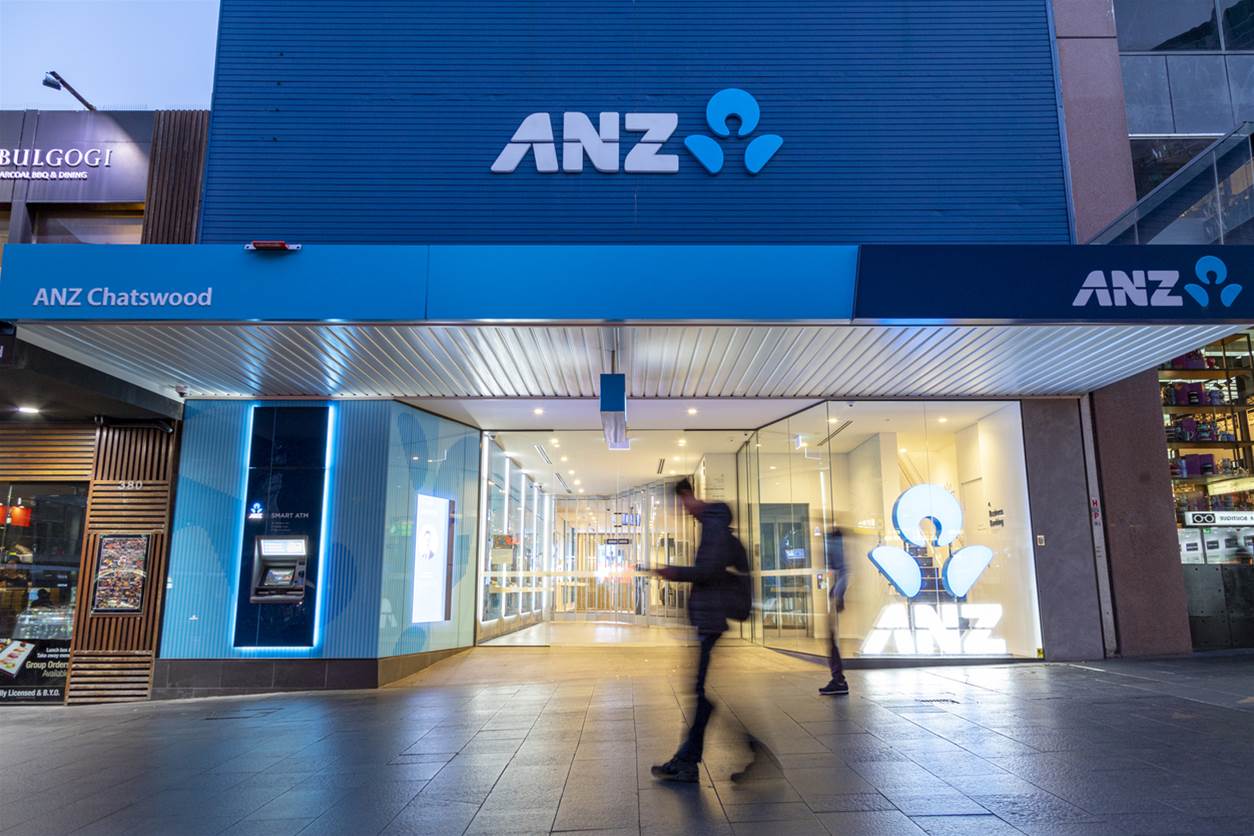
ANZ Bank in 2026: Profits Up, Strategy Shift, and What It Means for Borrowers
ANZ Bank started 2026 with a strong financial result but also significant internal changes and strategic shifts that have a...
How One Professional Bought Her First Investment Property Using Home Equity
Find out how we helped a salaried professional buy her first investment property without a large cash deposit, by putting her existing home equity to work.
Client details changed for privacy. Outcome based on lender policy at settlement.
Client names and identifying details have been changed to protect privacy and confidentiality. The following case study shows how the right mortgage guidance can help a borrower take their first step into property investment.
Lending policies and eligibility criteria can change over time. The outcome described here was based on the lender policies available at the time of settlement and may not reflect current conditions. This case study is general in nature and is not tax or financial advice.
Priya was an IT professional with a stable salary, a growing superannuation balance and a home she had owned for several years. She had watched property values rise and wanted to start building long-term wealth by purchasing her first investment property.
There were two things holding her back. First, although she earned a good income, she did not have a large pool of cash savings ready for a deposit. Second, she was unsure how much she could actually borrow for an investment, and how to structure the loans so that her home and her investment stayed separate.
Priya wanted to invest without putting her own home at unnecessary risk, and without tying up her finances in a way that would limit her in the future.
After reviewing Priya’s income, expenses and the equity in her existing home, our broker mapped out a clear path forward. Her home had increased in value and her loan balance was modest, which meant she had usable equity available.
Rather than waiting years to save a cash deposit, Priya could release a portion of that equity to fund the deposit and purchase costs on the investment property. We then set up a separate investment loan secured against the new property, keeping the two loans distinct.
We also factored in the expected rental income, which lenders count towards servicing, and compared lenders to find one that assessed her position favourably and offered a competitive investment rate. We explained how an interest-only period could support her cash flow in the early years, and encouraged her to confirm the tax treatment of the investment loan with her accountant.
We prepared the application with both the equity release on her home and the new investment loan in mind, presenting a clear picture of her income, existing commitments and the projected rental return.
Because investment lending involves additional servicing checks, we made sure the numbers were laid out clearly, so the lender could assess her capacity with confidence.
The lender approved both the equity release and the investment loan, allowing Priya to proceed to purchase without needing to find a large cash deposit.
You may be closer to investing than you think. If you already own a home, the equity you have built could fund your deposit, which means you might not need years of cash savings to get started. Our team can work out your borrowing power, explain your options and help you structure the loans the right way from day one.
Priya purchased her first investment property, valued at $620,000, using equity from her existing home for the deposit and costs, plus a separate investment loan of $496,000 at 6.19% p.a.
By keeping the loans separate and structuring the investment loan appropriately, she set herself up with a clean structure that her accountant could work with at tax time. The rental income helped cover much of the new repayment, easing the impact on her day-to-day budget.
Today, Priya owns two properties and has taken her first real step towards building long-term wealth through property.
Yes. If your home has grown in value and your loan balance is low enough, you may be able to release some of that equity to use as a deposit on an investment property. This is a common way to invest without needing a large cash deposit.
It depends on your income, your existing debts and the expected rental income from the property. Lenders count a portion of the rent towards your borrowing capacity. The best way to know your limit is to have your full situation assessed.
Both have their place. Interest-only repayments are lower in the early years, which can help cash flow, while principal and interest reduces the loan balance over time. The right choice depends on your strategy and cash flow, and it is worth discussing the tax side with your accountant.
Investment loans often carry slightly higher rates than owner-occupier loans, and interest-only loans can be priced a little higher again. The difference varies between lenders, which is why comparing options matters.
Generally, yes. Keeping the loans separate makes it much easier to track the investment-related borrowing, which can be important for tax purposes. Your accountant can confirm the best structure for your situation.
Not always. Some lenders allow investment purchases with a smaller deposit, though Lenders Mortgage Insurance may apply. Using equity from an existing property is another way to cover the deposit. We can show you the options based on your circumstances.
"*" indicates required fields
ANZ Bank started 2026 with a strong financial result but also significant internal changes and strategic shifts that have a...
Record levels of mortgage refinancing have been one of the biggest changes in the home loan market in 2026 in...
Buying your first home in Australia has always been dependent on two things: interest rates and lending rules. RBA rate...