
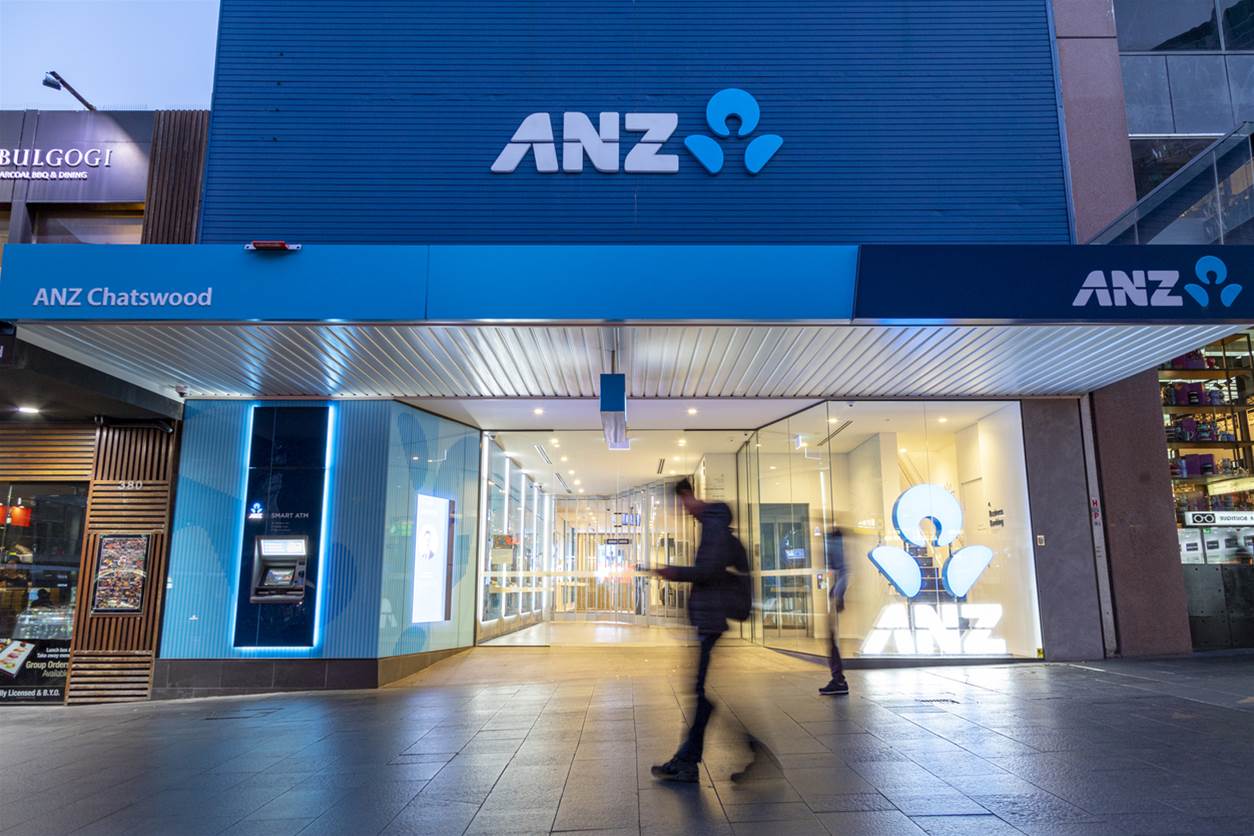
ANZ Bank in 2026: Profits Up, Strategy Shift, and What It Means for Borrowers
ANZ Bank started 2026 with a strong financial result but also significant internal changes and strategic shifts that have a...
How a Growing Family Upsized Without the Stress of Selling First
Find out how we helped a family buy their larger forever home before selling their current one, using bridging finance to avoid a rushed sale.
Client details changed for privacy. Outcome based on lender policy at settlement.
Client names and identifying details have been changed to protect privacy and confidentiality. The following case study shows how the right mortgage guidance can help a growing family move up to a larger home.
Lending policies and eligibility criteria can change over time. The outcome described here was based on the lender policies available at the time of settlement and may not reflect current conditions.
Daniel and Aisha had outgrown their first home. With a third child on the way, the two-bedroom house that once suited them perfectly had become tight, and they were ready to move up to a larger family home with more space and a backyard.
The difficulty was timing. They had built up solid equity in their current home, but most of their money was tied up in it. If they sold first, they would risk having nowhere to live and possibly having to rent and move twice with young children. If they bought first, they were not sure how they could afford two properties at once, even for a short time.
They wanted to buy the right home when it came up, not rush a sale of their existing one, and avoid the chaos of moving their family twice.
After reviewing their equity, income and goals, our broker explained how a bridging loan could solve the timing problem. A bridging loan would let them purchase the new home first, while still owning their current one, and then sell the existing home without pressure.
We mapped out the numbers across both properties, including the peak debt during the bridging period and the end loan they would be left with once their existing home sold. Because they had strong equity and a realistic view of their home’s sale value, the figures stacked up comfortably.
To keep things manageable, we structured the loan so the bridging period kept repayments contained while they marketed and sold their old home. We also built in a sensible buffer and a realistic sale timeframe, so they would not be caught out if the sale took a little longer than expected.
We prepared the application showing both the new purchase and the existing property, along with their income, equity and an estimated sale price for the home they were selling.
Bridging finance involves a closer look at the timing and the expected sale, so we presented a clear plan for the sale and the resulting end loan, which gave the lender confidence in the overall structure.
With everything laid out clearly, the lender approved the bridging facility, allowing the family to move ahead on their new home before their existing one had sold.
If your family has outgrown your home, you should not have to choose between rushing a sale and missing out on the right property. Bridging finance can let you buy first and sell on your own terms, when the numbers stack up. Our team can run through your equity, your borrowing power and the safest way to make the move.
Daniel and Aisha purchased their larger family home, valued at $1,150,000, before selling their existing property. Once their old home sold, the proceeds were applied to the loan, leaving them with a comfortable end loan of $760,000 at 5.99% p.a.
Because they were not forced into a rushed sale, they achieved a fair price for their old home, and they avoided the cost and disruption of renting and moving twice with young children.
Today, the family is settled into a home with the space they needed, and their loan sits at a comfortable level for their budget.
One common option is a bridging loan. It temporarily finances the new purchase while you still own your existing home, then is largely repaid once that home sells. This lets you secure the right property without having to sell first and move twice.
A bridging loan covers the gap between buying your new home and selling your old one. During the bridging period, the lender looks at your total borrowing across both properties, and once your existing home sells, the proceeds reduce the debt down to a manageable end loan.
It depends on the lender and structure. Many bridging loans capitalise or charge interest only on the bridging portion for a set period, which keeps things manageable while you sell. Once the sale completes, you move to standard repayments on the end loan.
Bridging loans run for a limited period, so it is important to be realistic about your sale. We help you plan around a sensible timeframe and a realistic sale price, and build in a buffer, so you are not caught short if the sale takes a little longer than hoped.
Both approaches have pros and cons. Buying first lets you secure the home you want and avoid renting in between, but it carries more risk if your sale is slow. Selling first is lower risk but can mean moving twice. We help you weigh up which suits your finances and the market.
Yes. Depending on your equity and income, you may be able to use other structures, such as a longer settlement on the purchase, a deposit bond, or selling first with a rent-back arrangement. The right path depends on your situation, which we can talk through with you.
"*" indicates required fields
ANZ Bank started 2026 with a strong financial result but also significant internal changes and strategic shifts that have a...
Record levels of mortgage refinancing have been one of the biggest changes in the home loan market in 2026 in...
Buying your first home in Australia has always been dependent on two things: interest rates and lending rules. RBA rate...