
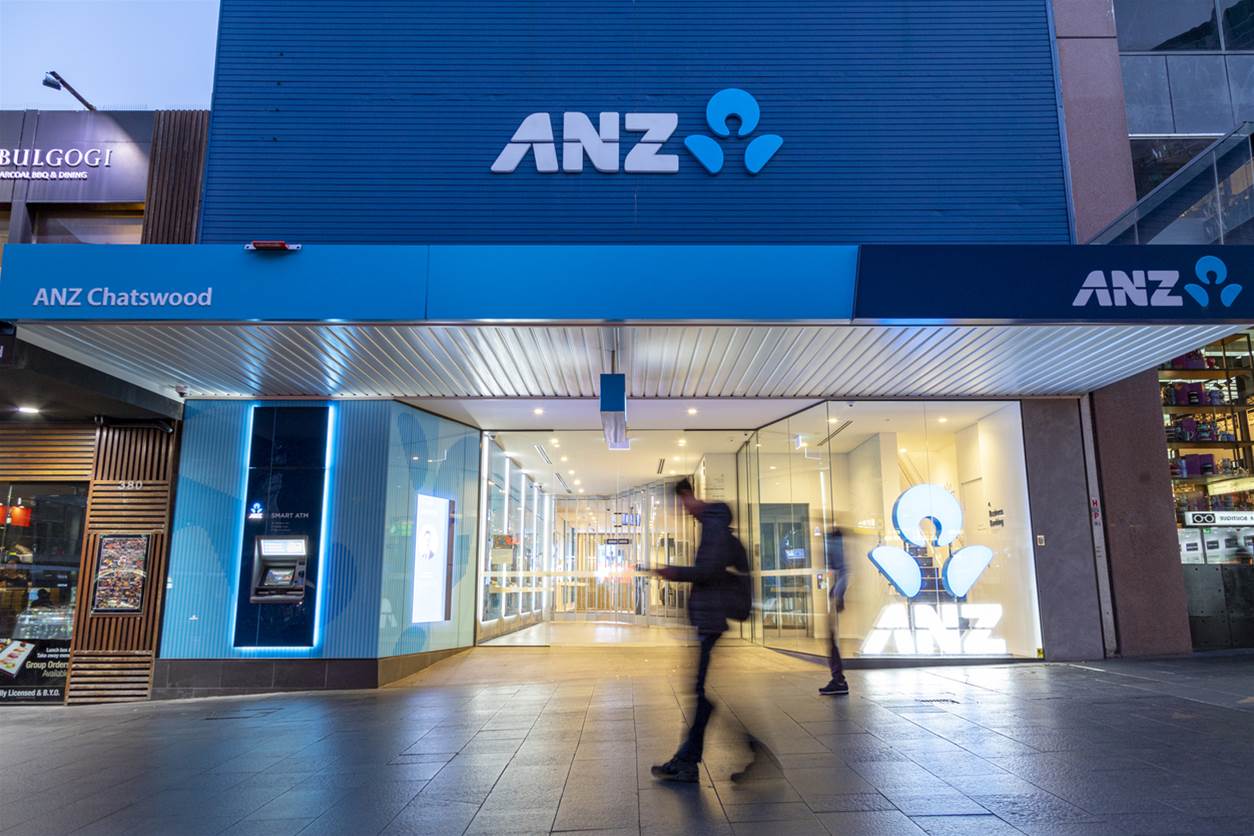
ANZ Bank in 2026: Profits Up, Strategy Shift, and What It Means for Borrowers
ANZ Bank started 2026 with a strong financial result but also significant internal changes and strategic shifts that have a...
How One Couple Financed Their New Build With a Construction Loan
Find out how we helped a couple fund both their land and their new build with a construction loan, keeping repayments manageable while the home was being built.
Client details changed for privacy. Outcome based on lender policy at settlement.
Client names and identifying details have been changed to protect privacy and confidentiality. The following case study shows how the right mortgage guidance can help borrowers finance a new build.
Lending policies and eligibility criteria can change over time. The outcome described here was based on the lender policies available at the time of settlement and may not reflect current conditions.
Tom and Olivia had found the perfect block of land and a builder they trusted, and they were excited to build their first family home rather than buy an established one. What they were less sure about was how to actually finance it.
Building a home is not funded like a normal purchase. They needed money for the land, and then further funds released in stages as the build progressed. On top of that, they were worried about paying a full mortgage on the entire amount while they were still renting and the house was only half built.
They wanted a loan that matched the way a build actually works, and that kept their repayments manageable until they could move in.
After understanding their plans, their builder’s fixed-price contract and their budget, our broker explained how a construction loan is designed for exactly this situation.
Instead of paying out the full loan at once, a construction loan releases funds through progressive drawdowns that match the stages of the build, such as the slab, frame, lock-up, fit-out and completion. The lender pays each stage as it is finished and invoiced, which means Tom and Olivia would only pay interest on the money actually drawn at each point, not the full approved amount.
We also set the loan to interest-only during construction, keeping repayments low while they were still paying rent. We compared lenders to find one with a competitive construction rate and a smooth drawdown process, and we built in a sensible buffer in case of any cost variations during the build.
We helped the couple pull together everything the lender needed, including the fixed-price building contract, the council-approved plans and the builder’s insurances, alongside their income and identification documents.
Because construction lending is assessed on the on-completion value of the home, we presented the plans and contract clearly so the lender could value the finished property with confidence.
With the documentation complete, the lender approved the construction loan, ready to release funds stage by stage as the build moved forward.
Financing a new build works differently to buying an established home, and getting the structure right from the start makes the whole process smoother. A construction loan releases funds in stages and keeps repayments lower while you build. Our team can help you set it up, compare lenders and plan for any cost variations along the way.
Tom and Olivia secured a $680,000 construction loan at 80% LVR and 6.14% p.a., covering both the land and the full cost of the build.
Throughout construction, they paid interest only on the funds drawn at each stage, which kept their repayments comfortable while they were still renting. As each milestone was completed, the lender released the next payment to the builder smoothly.
Once the build was finished, the loan converted to standard principal and interest repayments, and the couple moved into the brand-new home they had designed from the ground up.
With a standard home loan, the full amount is paid out at settlement. A construction loan releases the money in stages, called progressive drawdowns, that line up with the major phases of the build. You only pay interest on the funds that have actually been drawn, not the whole approved amount.
Most builds are funded across several standard stages, such as the deposit or slab, frame, lock-up, fit-out and completion. As your builder finishes each stage and invoices, the lender releases that portion of the loan, usually after a quick check or valuation.
Usually the loan is interest-only during the construction period, and you only pay interest on the amount drawn so far. This keeps repayments lower while you may also be paying rent. Once the build is complete, the loan typically switches to normal principal and interest repayments.
On top of the usual income and identification documents, lenders generally want a fixed-price building contract, council-approved plans and your builder's details and insurances. Having these ready up front helps the application move smoothly.
Cost overruns can happen, so it is wise to keep a buffer. If extra funds are needed, you may be able to apply to increase the loan, subject to the lender's approval and the property's value. Planning a contingency from the start is the safest approach, and we can help you factor this in.
Sometimes. Some lenders allow construction lending with a smaller deposit, though Lenders Mortgage Insurance may apply, and the assessment is based on the on-completion value of the property. The right option depends on your deposit, income and the project, which we can review with you.
"*" indicates required fields
ANZ Bank started 2026 with a strong financial result but also significant internal changes and strategic shifts that have a...
Record levels of mortgage refinancing have been one of the biggest changes in the home loan market in 2026 in...
Buying your first home in Australia has always been dependent on two things: interest rates and lending rules. RBA rate...